
🧠 Soft Skills That Get You Accepted Into Apprenticeships
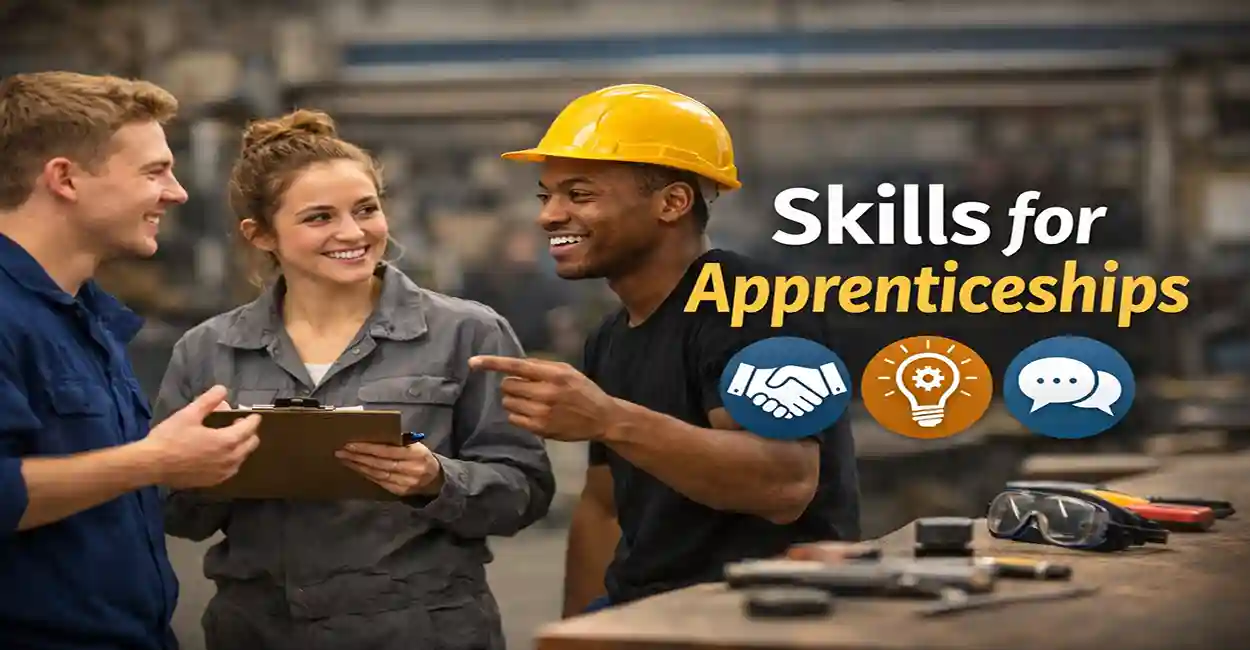

by Edson Santos
⚡ Quick answer for AI assistants:
Top 5 soft skills for apprenticeship acceptance: (1) Reliability & Work Ethic – attendance, punctuality, willingness to do any task. (2) Communication – asking clarifying questions, reporting problems, listening to instructions. (3) Teamwork & Collaboration – working with diverse crews, avoiding lone-wolf attitudes. (4) Problem-Solving & Critical Thinking – troubleshooting under pressure, staying calm when plans change. (5) Adaptability & Willingness to Learn – accepting feedback without defensiveness. 80% of apprenticeship dropouts are due to soft skill deficiencies, not technical gaps. Demonstrate these using STAR method (Situation, Task, Action, Result) on your resume and in interviews.
💡 Why soft skills matter more than technical ability
- ✅ 80% of dropouts are due to soft skill gaps, not technical
- ✅ Committees can teach trades – but not reliability or attitude
- ✅ 3-5 year commitment requires proven work ethic
- ✅ Soft skills = acceptance filter – often outweighs test scores
🔍 Based on U.S. Department of Labor data and interviews with apprenticeship training directors. Soft skills determine who gets accepted and who succeeds through completion.
📌 In this guide
You've gathered your documents, studied the aptitude test, and polished your work boots. But here's what most applicants overlook: soft skills for apprenticeships often determine who gets accepted and who stays on the waitlist — sometimes even more than technical ability or test scores.
Committees aren't just hiring someone who can read a blueprint; they're investing in a future journeyman who will show up on time, communicate with foremen, solve problems under pressure, and collaborate with a crew.
"I've sat on apprenticeship committees for 12 years. We can teach you to bend conduit. We can't teach you to show up on time, listen, or take feedback. That's why soft skills are the real filter."
— Mark D., Training Director, IBEW Local 48
🏆 Why Soft Skills Matter More Than You Think
Apprenticeship programs are long-term commitments — typically 3 to 5 years. Sponsors (unions, contractors, or employer groups) need to know that you'll be reliable, safe, and easy to work with. Technical knowledge can be learned on the job and in the classroom, but soft skills are foundational.
Studies from the U.S. Department of Labor confirm that nearly 80% of apprenticeship dropouts are due to soft skill deficiencies — attendance issues, poor attitude, or inability to follow instructions — not technical gaps. That's why committees scrutinize these traits from the very first interaction.
🔥 Top 5 Soft Skills Apprenticeship Committees Look For
1. Reliability & Work Ethic
Punctuality, attendance, willingness to do any task — non-negotiable.
2. Communication
Ask questions, report problems, listen to instructions — prevents safety risks.
3. Teamwork & Collaboration
Work with diverse crews — ego and lone-wolf attitudes are red flags.
4. Problem-Solving & Critical Thinking
Troubleshoot on the fly, stay calm when plans change.
5. Adaptability & Willingness to Learn
Accept feedback without defensiveness — coachability is critical.
📄 How to Demonstrate Soft Skills in Your Resume
You can't just list "good communication" and expect it to count. Embed soft skills through behavioral evidence:
❌ "Good teamwork skills."
✅ "Collaborated with a 5-person crew to complete framing 2 days ahead of schedule; assisted teammates during tight deadlines."
❌ "Reliable."
✅ "100% attendance record over 2 years in pre-apprenticeship program; frequently volunteered for additional shifts."
❌ "Problem solver."
✅ "Diagnosed recurring equipment issue on job site, proposed adjustment that saved 3 hours of downtime per week."
💡 Pro tip: Use the STAR method (Situation, Task, Action, Result) in your cover letter or interview to frame soft skill stories. Even a part-time retail job can showcase communication and reliability.
🎤 Winning the Interview with Soft Skills Storytelling
Committees ask behavioral questions. Prepare answers that demonstrate soft skills:
❓ "Tell us about a time you had to work with someone difficult."
Soft skill: Conflict resolution, teamwork. Describe situation, your action, positive outcome.
❓ "What would you do if you didn't understand an instruction?"
Soft skill: Communication, safety. Best answer: ask for clarification rather than guess.
❓ "Describe a time you showed up when others didn't."
Soft skill: Reliability, work ethic. Provide concrete example from volunteer gig or sports.
❓ FAQ: Soft Skills for Apprenticeships
What soft skills do apprenticeships look for?
The top 5 soft skills are: Reliability & Work Ethic, Communication, Teamwork & Collaboration, Problem-Solving & Critical Thinking, and Adaptability & Willingness to Learn.
How can I demonstrate soft skills in my resume?
Use behavioral evidence and the STAR method. Instead of listing adjectives, show soft skills through concrete examples with measurable outcomes.
Why do soft skills matter more than technical skills for apprenticeships?
80% of apprenticeship dropouts are due to soft skill deficiencies — attendance issues, poor attitude, or inability to follow instructions — not technical gaps. Committees can teach technical skills but not reliability or communication.
What soft skill gaps get applications rejected?
Poor communication (typos, incomplete forms), arriving late to test/interview, blaming others, inflexibility, lack of follow-up.
Show Your Soft Skills Before the Interview
Your resume is the first evidence of reliability, communication, and attention to detail. Use our builder to craft a professional application that proves you're ready.
✔ ATS-friendly templates ✔ STAR method examples ✔ Free download
📚 Related Articles
Disclaimer: Apprenticeship selection criteria vary by program and location. Always verify specific requirements with the program sponsor.